
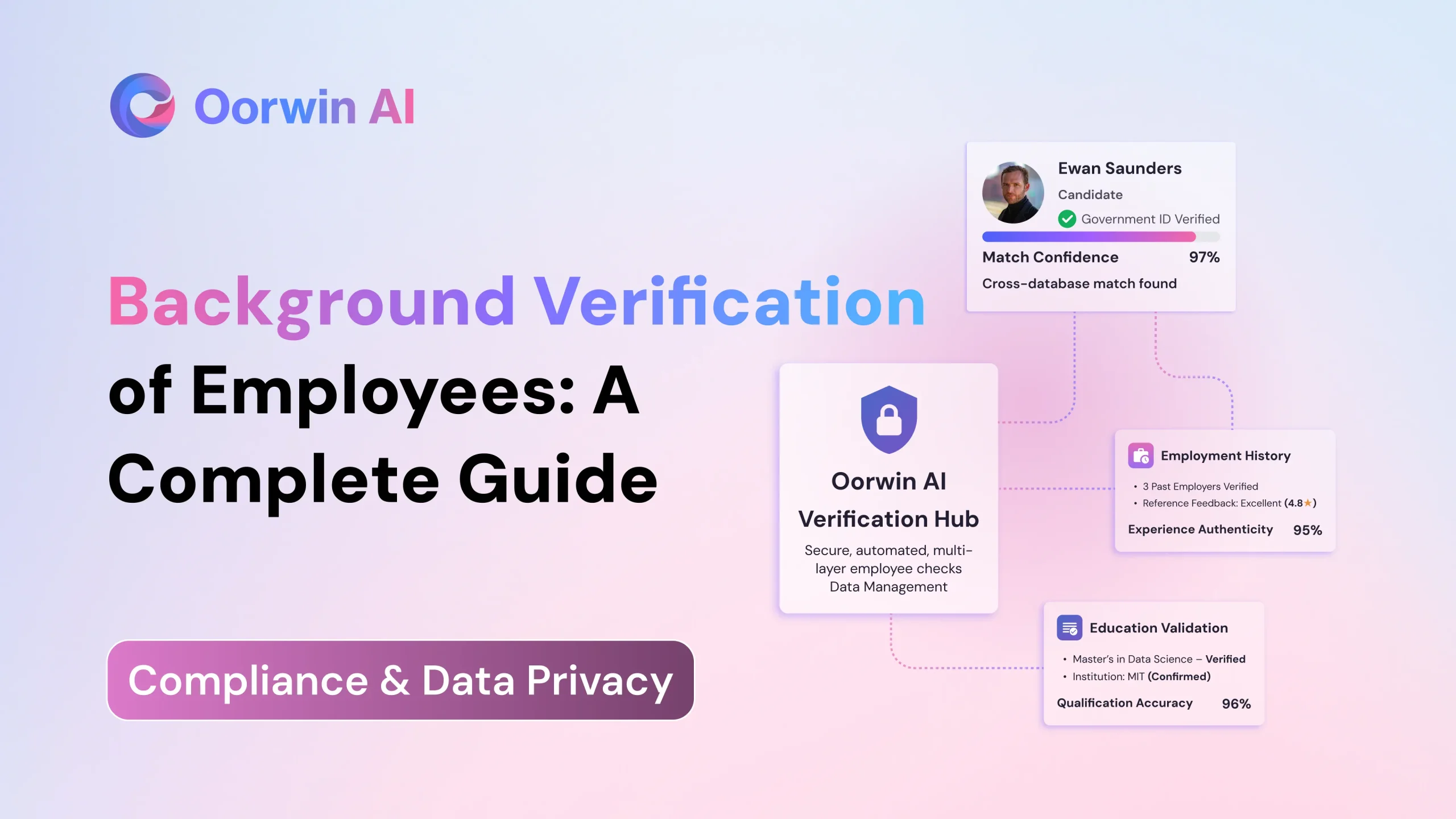
Decoding Employee Background Verification
In the rapidly evolving digital landscape, the importance of ensuring the authenticity of potential employees cannot be overstated. The process of background verification plays a pivotal role in validating the credentials of candidates and providing a safe and competent workforce. This process, often referred to as background check employment verification, is a comprehensive assessment of a candidate’s history.
What Is Employee Background Verification
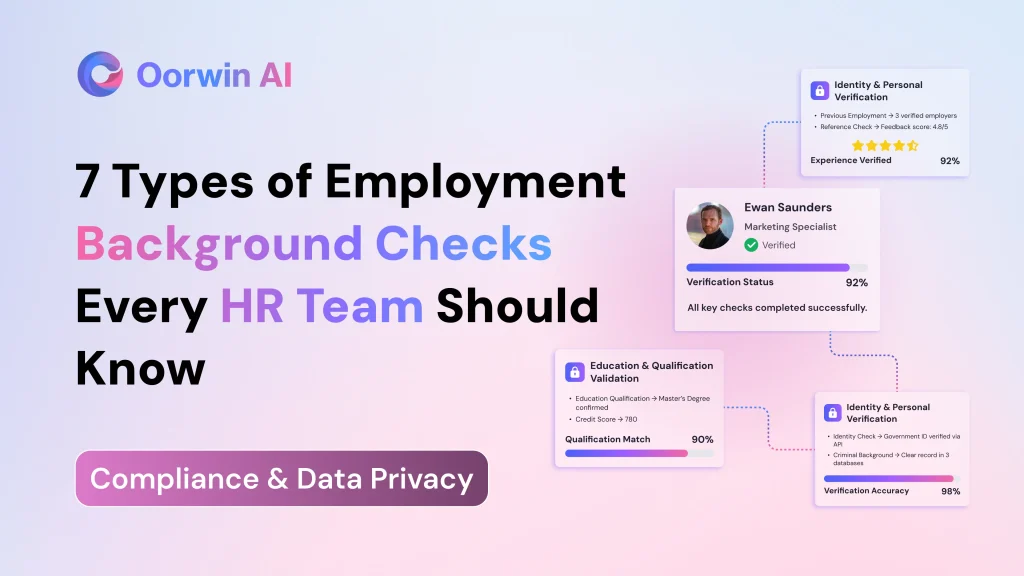
A critical aspect of the hiring process is employee background verification, which thoroughly examines a candidate’s qualifications and history. This includes verifying their educational background and work experience and searching for any criminal records. By conducting this process, employers can ensure that they are hiring individuals who are truly qualified for the job and not just impressive on paper.
Difference Between Background Verification and a Reference Check
While the process of background verification delves deep into factual records like criminal history and educational qualifications, a reference check is more subjective. It involves contacting previous employers or acquaintances to understand a candidate’s character, work ethic, and professional demeanor.
Components of the Background Verification Process
The background verification of an employee encompasses various checks. From verifying educational qualifications to assessing criminal records, this comprehensive process ensures a holistic view of the candidate’s background, leaving no stone unturned.
Candidate Qualification
Ensuring that a candidate’s educational and professional qualifications align with the job requirements is essential. This step in the background verification process ensures that the candidate possesses the necessary skills and knowledge for the role.
Criminal Records
Checking criminal records is a vital component of the background verification process. It ensures the safety of the workplace and protects the company’s reputation. Hiring someone with a concealed criminal past can lead to unforeseen complications and legal issues.
Professional License
For roles that require specific licenses or certifications, verifying their authenticity is crucial. False claims about professional qualifications can jeopardize both the company and its clients, making this step indispensable in the process of background verification.
Address Verification
Validating a candidate’s address not only confirms their legitimacy but can also reveal discrepancies in official documents, ensuring that the candidate is who they claim to be.
Social Media
A candidate’s social media can offer invaluable insights in today’s interconnected world. Reviewing their online presence can provide a glimpse into their behavior, affiliations, and any potential red flags that might be concerning for employers.
Importance of Employee Background Verification
The background verification of an employee safeguards the company’s reputation, ensures workplace safety, and guarantees that the company hires competent and genuine employees.
A Thorough Examination
A detailed background check can uncover experience gaps, skill discrepancies, or false information. Such discoveries can be detrimental if overlooked, emphasizing the importance of thorough background check employment verification.
Company Policy
Having a robust policy against fraudulent behavior, with appropriate penalties, can deter candidates from providing false information. This policy acts as a safety net, ensuring candidates think twice before misleading potential employers.
To Avoid a Bad Hire
The background verification process helps companies avoid hires that might be underqualified, potentially harmful, or detrimental to the company’s image. It acts as a filter, ensuring only the most suitable candidates make the cut.
Less Productivity
Hiring based on false information can lead to reduced work quality, impacting the company’s overall productivity. This underscores the importance of the background verification process in ensuring that every hire contributes positively to the organization.
What Problems Can Arise During the Background Verification Process
Potential issues include candidates providing false identities, concealing past incidents, or portraying fake information. Each of these challenges underscores the importance of a thorough background check for employment verification.
Providing False Identity
In the competitive job market, some candidates hide their true identity, opting to present fabricated credentials. This deceptive tactic, often driven by desperation or a checkered past, is not just an ethical concern. When undetected, it can lead to hiring individuals who might not possess the required skills or mindset for the job. Over time, this can result in inefficiencies, potential legal issues, and even security concerns, especially if the individual gains access to sensitive company information.
Hiding Past Incidents
The allure of a spotless record can drive candidates to hide certain aspects of their past. Whether it’s academic misconduct, workplace conflicts, or other incidents, these concealed events can provide valuable insights into a candidate’s character and decision-making. By omitting these details, companies might miss red flags that could indicate potential future problems. Such oversights not only jeopardize the harmony and productivity of the workplace but can also tarnish the company’s reputation if these past incidents come to light later.
Portraying Fake Information
Misrepresenting qualifications is another common pitfall in the hiring process. Candidates might exaggerate their experience, claim educational degrees they haven’t earned, or even falsify licensing credentials. While these embellishments might help them secure a job initially, they can backfire spectacularly. Hiring someone based on inaccurate information can lead to subpar performance, increased training costs, and potential legal repercussions. This underscores the critical importance of a rigorous background verification process, ensuring that every candidate’s claims stand up to scrutiny.
Final Thoughts
As the digital age reshapes recruitment, the importance of verifying potential hires has never been more pronounced. A detailed background verification process doesn’t just answer questions like “how long does a background check take?” but ensures each candidate is thoroughly vetted. For organizations aiming for excellence, this diligence is non-negotiable. Enhance your hiring process with Oorwin’s seamless integration with Checkr. Checkr lets you conduct background verification in just a few clicks. The integration allows Dive into a world where efficiency meets innovation and ensures every hire is the right fit.
Book a demo to explore Oorwin’s solutions today!
FAQ
What is an employee background verification process?
A systematic procedure to validate a candidate’s credentials, history, and potential red flags, ensuring they are genuinely fit for the role.
Why should you notify candidates about a background check?
Notifying candidates maintains transparency and ensures they are aware of the verification process, potentially leading to more honest disclosures.
How long does background verification take?
The duration varies based on the depth of the check and the information required. However, it’s essential to prioritize thoroughness over speed to ensure the best results.