
Most hiring funnels aren’t broken because of tools. They’re broken because teams don’t fully understand the mindset of the people moving through them. The term Active Candidate is one of the most misunderstood parts of recruiting. It sounds simple, but it tells you exactly how ready someone is to engage, respond, and convert.
An active candidate is someone who is actively looking for a new job. They’re updating resumes. They’re polishing LinkedIn profiles. They’re applying on job boards. They’re taking recruiter calls. They’re hunting. And importantly, they’re motivated to move quickly.
Where passive candidates require long-term nurturing, active candidates come with intent already switched on. Think of them like warm leads in marketing. Their behavior signals momentum, and your job is to not slow them down.
What Makes Someone an Active Candidate
Active candidates usually fall into one of these categories:
1. Currently unemployed
They’re between roles and urgently searching for the next opportunity. These candidates typically respond fastest and move the quickest through funnels.
2. Employed but unhappy
Maybe they’re seeing no growth. Maybe they’re burnt out. Maybe they’ve hit their ceiling. Either way, they’re ready to explore alternatives and will actively engage with recruiters.
3. Seeking a career shift
Some candidates are employed but intentionally switching industries or roles. They’re researching, networking, and applying.
In all cases, what matters is the same: they have intent and initiative.
How Active Candidates Behave
These patterns show up consistently:
They apply fast
They monitor job boards. They check postings multiple times a week. They’re quick to spot and respond to the right roles.
They respond fast
Unlike passive candidates who may ignore cold outreach, active candidates reply to emails, calls, and messages because they want the process to move.
They’re open to conversation
Recruiters don’t have to convince them to explore opportunities. They’re already open to change.
They provide updated information
CVs, portfolios, GitHub repos, LinkedIn profiles. Everything is fresh.
This is why active candidates tend to move through pipelines much quicker than passive candidates. The friction is lower because the desire is already there.
Why Active Candidates Matter for Recruiters
If passive candidates are long-term plays, active candidates are immediate opportunities. They help teams:
1. Reduce time-to-fill
Momentum is already built. Smart processes capture it.
2. Improve conversion rates
Higher responsiveness means fewer drop-offs.
3. Validate your job offering fast
If active talent isn’t biting, your role, salary, or employer brand likely has deeper issues.
4. Predict hiring velocity
Active candidate volume is often an early signal of how competitive the market is.
Great recruiters treat active candidates like high-intent users in a funnel. The goal is simple: minimize friction.
Active Candidates vs Passive Candidates
| Factor | Active Candidate | Passive Candidate |
|---|---|---|
| Job Search Status | Actively looking | Not seeking but open |
| Response Time | Fast | Slow or selective |
| Motivation | High intent | Low urgency |
| Conversion | Higher | Requires nurturing |
| Engagement | Applies, responds, follows through | Needs strong outreach and sell |
Active candidates aren’t “better.” They’re just ready now. Your strategy should adapt to both, but in different ways.
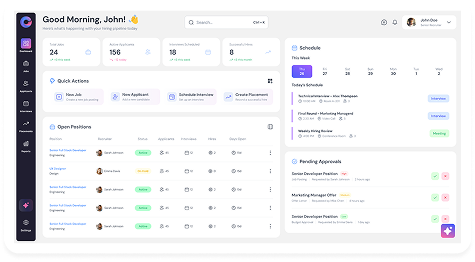
How AI Tools Like Oorwin Elevate Active Candidate Hiring
Modern teams don’t just need volume. They need clarity, prioritization, and speed. Tools like Oorwin help recruiters:
Score intent so your team can see which candidates are most responsive.
Automate follow-ups so high-intent talent never gets stuck.
Optimize job distribution so active candidates find your openings faster.
Shortlist the best matches instantly so you reduce manual screening time.
When you combine active candidates with intelligent automation, hiring accelerates almost automatically.
Final Thought
Active candidates bring energy into your pipeline. They’re motivated, responsive, and open to moving quickly. If your processes are tight, they’ll convert. If your processes are sloppy, they’ll bounce. Understanding how active candidates think is the first step toward building a recruitment engine that never loses momentum.