
Engagement Touchpoints are the interactions between a recruiter and a candidate throughout the hiring process. These touchpoints include emails, calls, messages, interviews, follow-ups, and internal updates that help keep candidates informed and engaged.
In simple terms, engagement touchpoints are every moment a recruiter connects with a candidate during their hiring journey.
Why Engagement Touchpoints Matter
Candidates often disengage when communication is slow, unclear, or inconsistent. In a competitive hiring market, even small gaps in communication can lead candidates to lose interest or accept other offers.
Engagement touchpoints matter because they:
- Keep candidates informed about their status
- Set clear expectations at each stage of hiring
- Reduce uncertainty and waiting time
- Build trust and confidence in the hiring process
When engagement is not handled properly, there is a higher risk of:
- Candidates dropping out mid-process
- Missed interviews or delayed responses
- Losing strong candidates to faster-moving employers
Consistent and timely engagement touchpoints help maintain momentum and reduce the chances of candidate drop-off.
How Engagement Touchpoints Work
Engagement touchpoints occur at different stages of hiring, such as:
- Initial outreach and follow-ups
- Interview scheduling and feedback
- Status updates during screening
- Offer discussions and onboarding communication
Tracking these interactions helps recruiters understand when and how candidates are being engaged.
Engagement Touchpoints in Recruitment Platforms
Recruitment platforms help recruiters track and manage engagement touchpoints across the hiring process so that no interaction is missed.
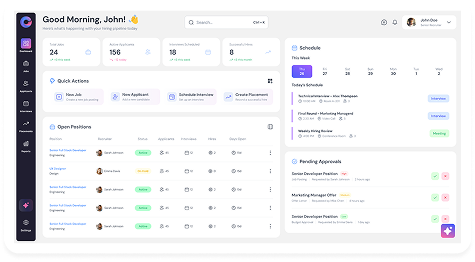
In Oorwin, engagement touchpoints are captured through notes, tasks, and activity updates that are available across all sections of the platform. This allows recruiters and hiring managers to see everything that’s happening with a candidate in one place.
By keeping all engagement activity visible and up to date, Oorwin helps teams stay aligned, avoid duplicate outreach, and maintain consistent communication throughout the hiring process.